Congratulations. Your student has moved beyond the basics of note recognition and is now entering the world of true musical nuance. In prePiano Four, we transition from simple, steady rhythms to more complex, expressive melodies.
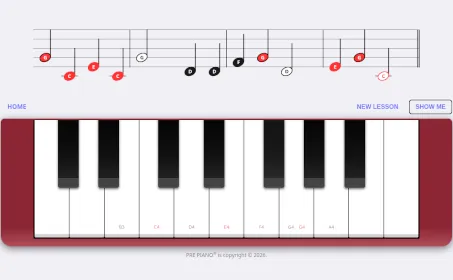
The New Element: The Power of Silence
Until now, our lessons have relied on a steady pulse of quarter notes. In this level, we introduce something revolutionary: Silence.
In music, silence is just as important as sound. It adds mystery, creates suspense, and gives a melody room to breathe. We introduce this concept through the use of Rests. A rest is simply a "silent note." It tells the musician to wait, allowing the music to hang in the air before the next sound arrives.
Music Notation Refresher
Before diving into the new material, ensure the student is comfortable with the fundamentals from prePiano Three. If they are struggling, a quick review of the previous level is highly recommended.
- Quarter Notes: The steady, rhythmic "heartbeat" of the music.
- Half Notes: The "hollow" notes that last twice as long as a quarter note.
New Terminology: The Stem and the Rest
As the notation becomes more detailed, we introduce two new visual concepts:
- The Stem: This is the vertical line attached to a note. It is a key part of how we identify the note's position on the staff.
- The Quarter Rest: This is our symbol for silence. In this app, the quarter rest appears as a small symbol with an "X" instead of a note name. It tells the student to hold their position for one beat without making a sound.
The Mentor's Note: When teaching rests, encourage the child to feel the "weight" of the silence. It is not just "doing nothing"; it is a deliberate, musical choice.
The Practice Plan
As the complexity of the music increases, so should the depth of the practice. We recommend moving from short bursts to more sustained sessions.
- Session Length: Aim for 20 to 30 minutes of practice.
- The Eye Break: To prevent fatigue, include one-minute breaks where the child simply looks at the notes on the screen and says the names out loud. This reinforces recognition without the pressure of playing.
- Consistency: Like all musical training, the ear grows through daily repetition.
For the Aspiring Stars
For those children who want to become famous, we suggest a special activity to deepen their connection to music. Real musicians do not just play music; they also write it.
Encourage your student to take a piece of paper and a pencil and attempt to "copy" a lesson they have just played. By physically writing the notes and the rests, they are training their brain to understand the architecture of a melody. This simple habit is what separates a player from a composer.
Note: prePiano apps are designed to be outgrown. We are building the foundation so that your child can eventually move beyond the screen and onto the keys.